
Engineering a Greener Future: Our Commitment to Industrial Biodiversity
At C & F Tooling we believe that industrial excellence and ecological integrity should coexist. We are known for delivering high-precision metal components to global leaders, however our mission extends beyond the factory floor. We want to ensure our manufacturing process supports the planet, as much as it supports our clients' supply chains. This is why we have been embarking on a tough journey to help the fight against Ireland's biodiversity crisis.
First Steps...
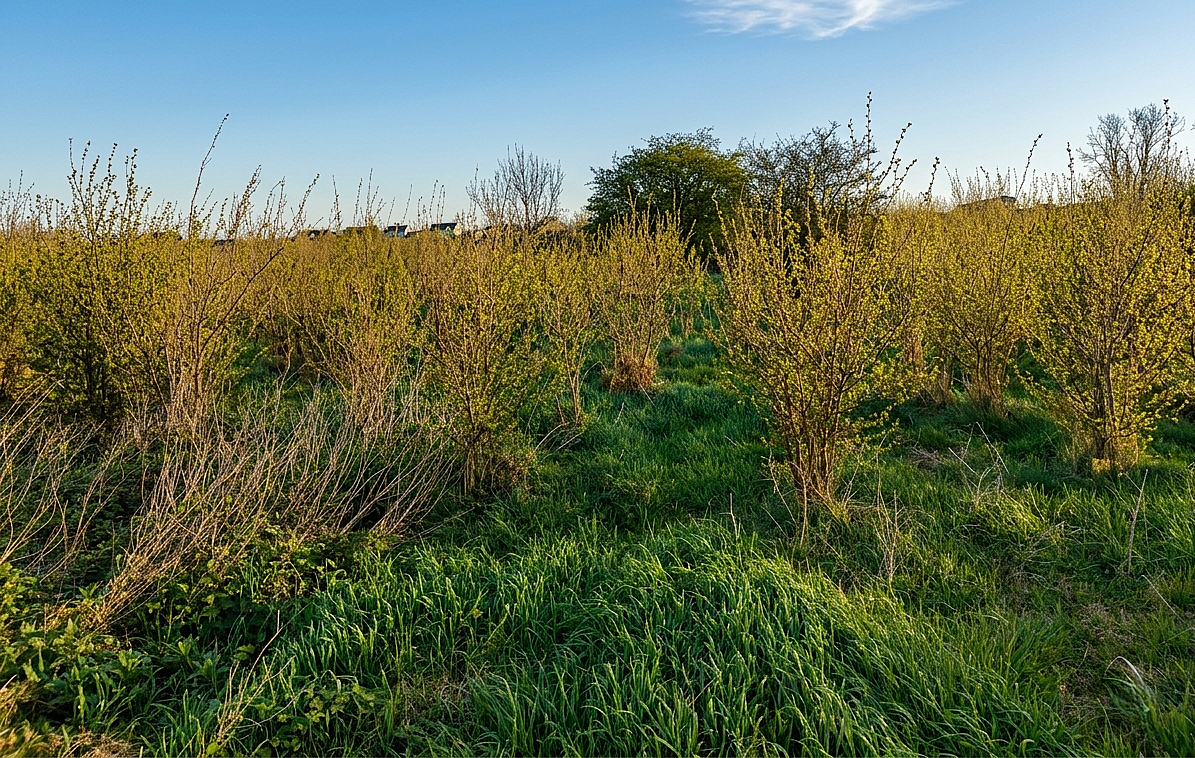
- A crucial step of this journey was in 2021 when we planted over 1000 native Irish Hazel trees on the grounds of our Athenry Factory. In Ireland Hazel is an extremely important food source for mammals and birds during the winter when very little else is available.
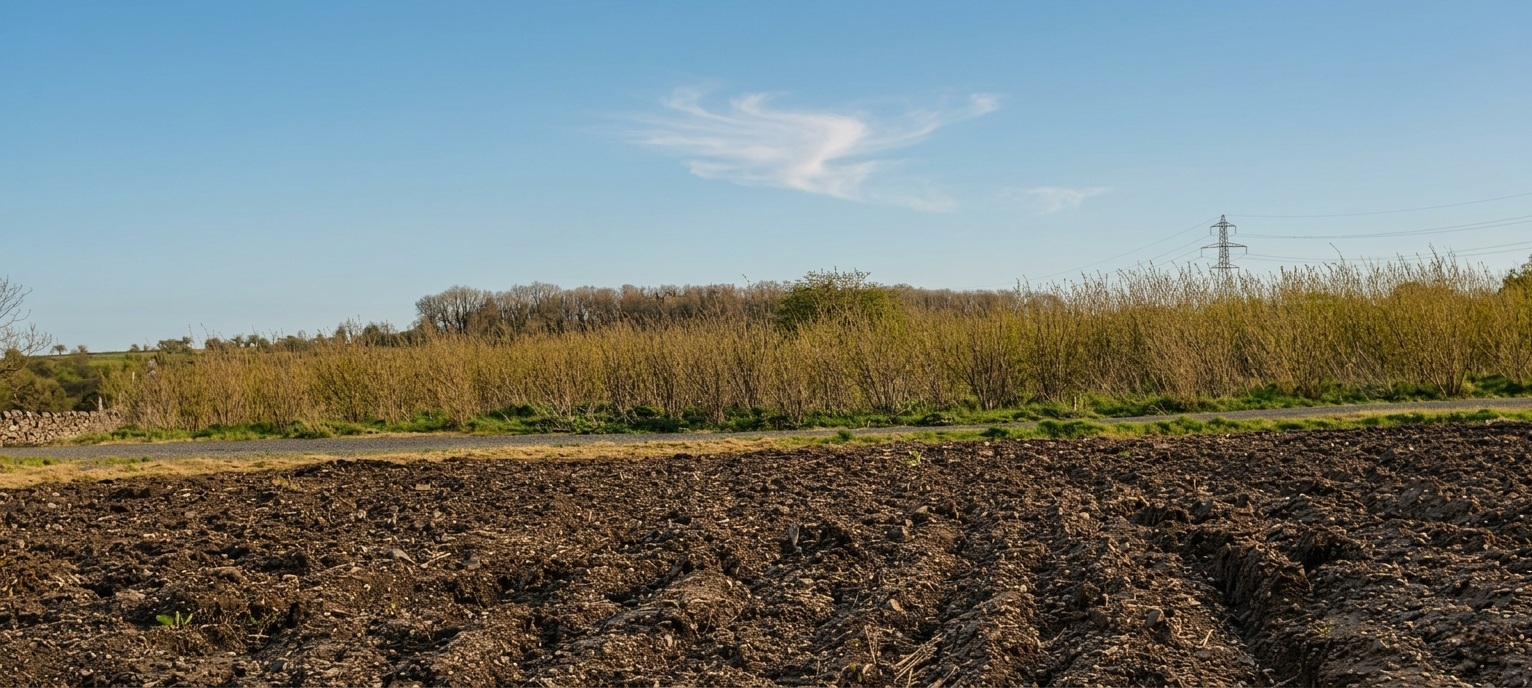
- We then further enhanced winter food sources for our native birds by introducing periodical ploughing of an area next to the Hazel plantation. This turning of the soil not only aerates the soil for future growth, but also creates an easily accessible food source for birds who need to feed on invertebrates.

Strengthening Your Supply Chain Through ESG Excellence
For multinationals, the choice of a component manufacturer should no longer be based solely on cost —it’s about shared values. By partnering with C&F tooling, our clients gain a supplier that actively contributes to their Corporate Social Responsibility (CSR) goals.
* Competitive Advantage: Choosing a biodiversity-focused supplier enhances your brand’s "Green" credentials.
* Future-Proofing: As environmental regulations tighten, our proactive rewilding efforts ensure we remain a low-risk, high-value ESG manufacturer aiding environmental social governance compliance .
* Transparency: We are providing documented data from our biodiversity surveys that you can include in your annual sustainability reports.

Our continued development...
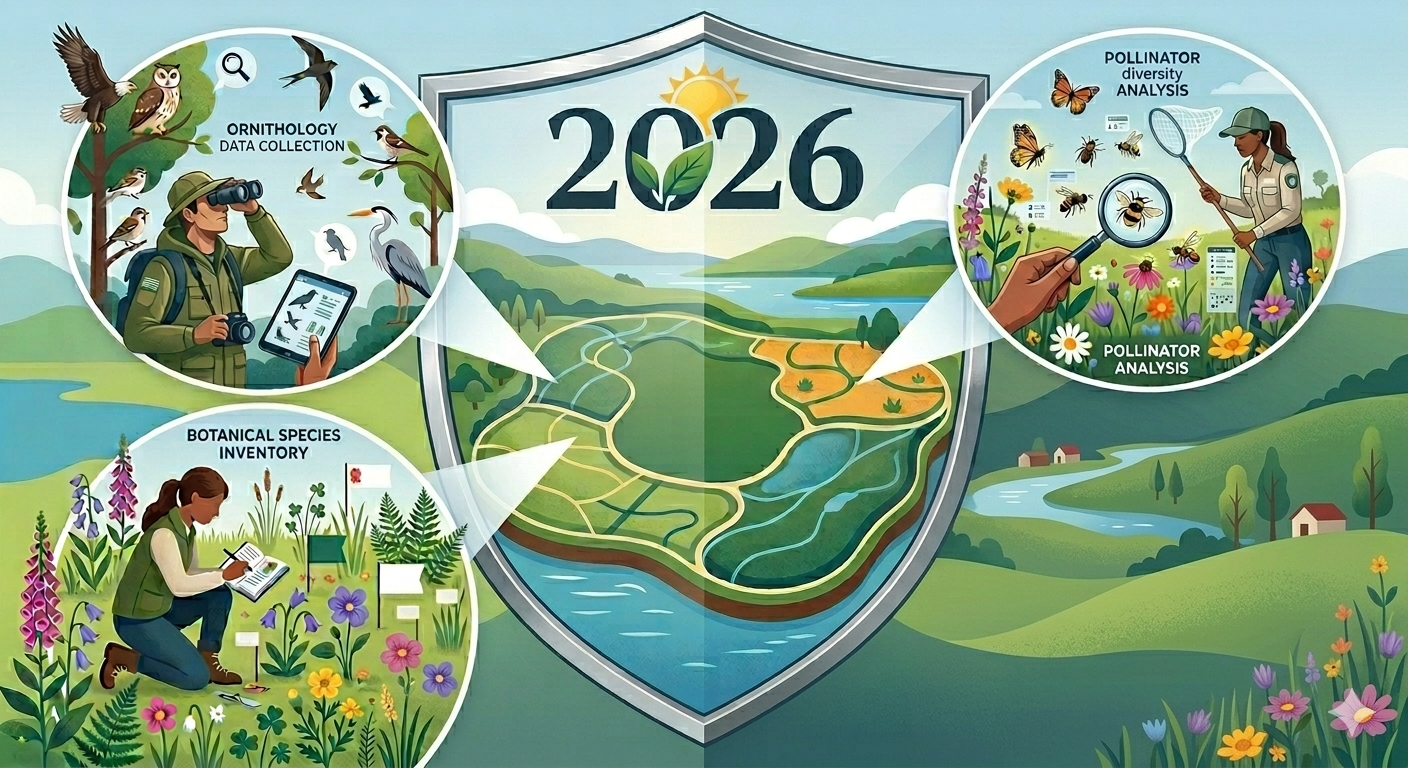
Industrial rewilding - For 2026 we are very excited to announce that we have commissioned an extensive 6 month biodiversity survey of over 160 acres to allow its protection for future generations. These surveys will take place in the form of:
-
Ornithological surveys for birds so we to learn which species are using this site.
-
Pollinator surveys to establish which species of insect call our grounds their home.
-
Wildflower surveys which will allow us identify and protect Ireland's native species
These actions will ensure we are leading the way in green component manufacturing. You can follow us here, and on our LinkedIn for the exciting updates on our journey to join manufacturing excellence with biodiversity excellence.
Creating wildflower havens out of industrial zones
Ireland's native flowers bloom at different times of the year.....NOT just the summer. This is an exceptionally important dynamic to protect. If we protect our native flowers we in turn protect the insects that rely on them, this in turn provides food for birds and mammals. In the month of March alone we identified 15 different species of wildflower on our grounds. Each of these species have their own important role.
Spotlight
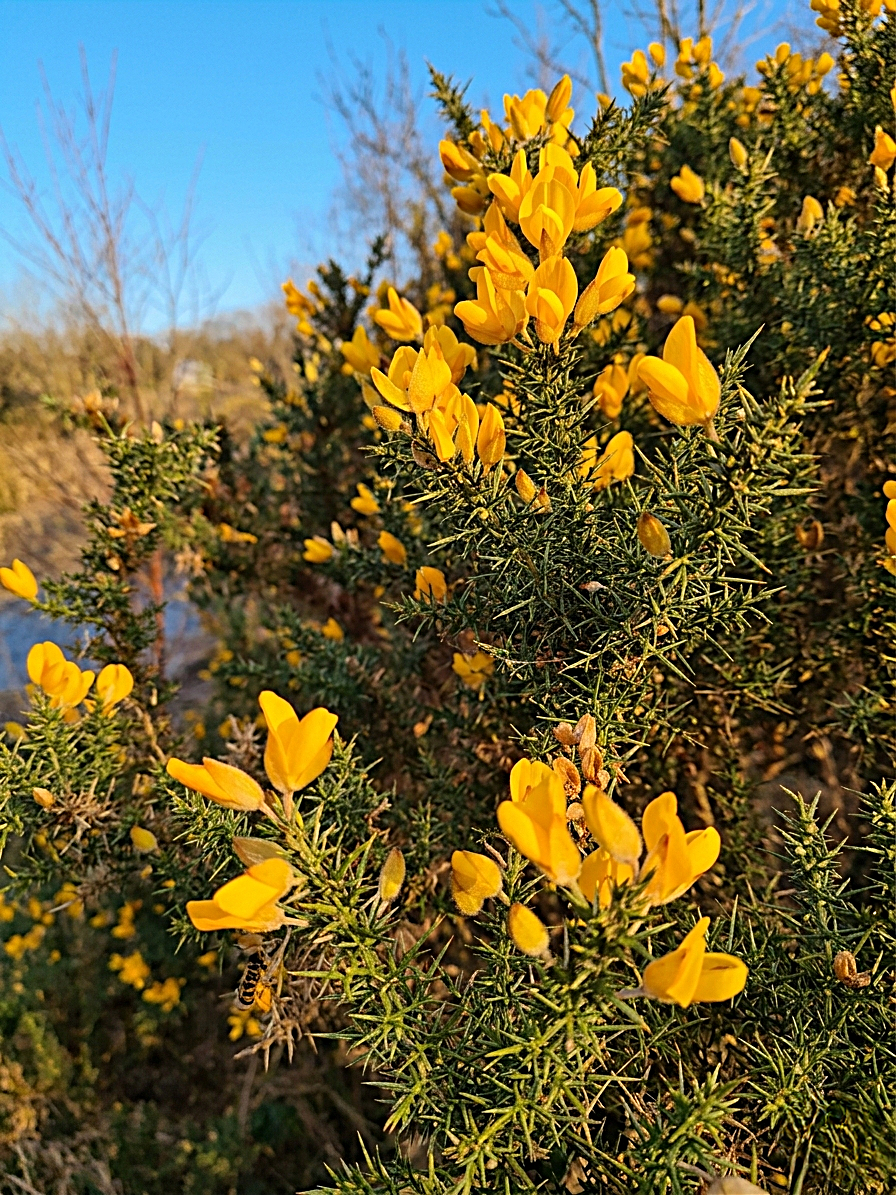
The March Spotlight goes to the beautiful and mighty Gorse.
The native Irish Gorse [Ulex europaeus] can maintain its flowers all year round. This is an extremely rare attribute in cold wet climates like Ireland. This ability to have flowers all year round means that pollinators who are active all year round can not survive if plants like this are not in their forageable area. The mighty gorse also provides sustenance to Ireland's first emerging bees. In early February and March, Queen bees come out of hibernation and find new grounds to establish their new colonies. When they first emerge they are starving and need high energy nectar to give them energy.
Gorse is also home to an insect called the Gorse Shieldbug. The beautiful shieldbug needs gorse to complete its lifecycle. Without the gorse plant Ireland's population of this insect would struggle to survive. The shieldbug appears with purple and red markings in summer and green in spring.
Companies who remove gorse plants from their land are indirectly triggering a huge cascading effect that trickles its way right up the food chain.
To date we at C&F Group are protecting a total of 45 gorse plants at our Irish Factory.